Lapel’s Water Woes: What Residents Need to Know—and How to Be Heard

Published for LiveInLapel.com • Updated: today

The short version

Lapel families continue reporting yellow/brown tap water, clogged filters, and foul smells. State and local officials say discoloration is often tied to iron/manganese and system disturbances, but residents want clearer answers and a concrete fix timeline.  Wastewater (sewer) rates are proposed to rise ~40% over two years, with a key public meeting scheduled Nov. 20, 2025, 7:00 p.m., Lapel Lions Club. Bring questions and documentation (photos, dates, addresses). 

What’s happening to our water?

Residents all over town have shared photos and samples showing tea-colored water that stains sinks and quickly loads up whole-house filters. (See the new vs. used filter images above.) Many families say they avoid drinking from the tap and are worried about bathing kids and pets.

This isn’t just a Lapel story anymore. The situation has attracted state and regional attention, including a detailed piece in The Brockovich Report highlighting ongoing discoloration reports in Lapel and similar concerns across Madison County. The article points to aging infrastructure, confusing communication, and rising costs shouldered by customers. 

Statewide coverage from the Indianapolis Star and national syndication also note officials’ explanations (iron/manganese and flushing) alongside residents’ frustration with the persistence and severity of the discoloration. 

Is discolored water “safe”?

According to the Indiana Department of Environmental Management (IDEM), discolored water can be caused by iron/manganese deposits stirred up by pressure changes, hydrant flushing, or operational issues (including incorrect chemical dosing). IDEM says discolored water “needs to be investigated,” and provides steps residents can take (running cold water, avoiding hot water use until clear, documenting events, and contacting the utility). 

Important: Discoloration alone is not proof of a health violation, but IDEM emphasizes that systems must meet federal Safe Drinking Water Act standards and that events should be reported and addressed. If you’re seeing sudden changes, odors, grit, or persistent color, document it and notify the utility and IDEM. 

Why are rates rising?

Separate from the color issue, wastewater (sewer) rates are slated for a substantial increase (about 40% over two years) tied to system improvements. A Nov. 20, 2025 public meeting is listed on the town website (Lions Club, 7 p.m.). Bring your questions about: project scope, milestones, financing, consumer protections, and how improvements will be measured. 

Across Madison County, nearby Anderson is planning major water-system investments (about $130 million) and has discussed phased water rate increases to pay for bond costs—part of a broader regional pattern of aging infrastructure and rising utility bills. 

What residents are asking for

From dozens of emails, posts, and meeting comments we’ve reviewed, Lapel residents are broadly aligned on a few goals:

Clear diagnostics: Source-of-discoloration analysis with public data (iron/manganese levels, turbidity, hydrant flushing schedules, treatment adjustments) in plain language. A repair plan with dates: What’s being fixed, when, who’s doing it, and how success will be measured (before/after sampling, color/turbidity targets). Rate transparency: How every dollar of proposed increases is allocated (engineering, pipes, pumps, treatment, contingency), and what performance milestones trigger releases of funds. Communication: A standing public dashboard (updated weekly) that shows complaints, sampling locations/results, and current work orders.

These requests mirror themes raised in outside reporting: aging pipes and treatment equipment, confusing or conflicting official statements, and households left to fend for themselves with filters and bottled water. 

What you can do right now

1) Document problems.

Take timestamped photos/videos of discolored water, affected fixtures, and filters (inside/outside). Note date, time, and whether hydrant flushing or pressure changes were occurring nearby. Keep receipts for filters/bottled water.

2) Report it.

Contact the town/utility with your documentation, and also file with IDEM Drinking Water Branch (the agency that enforces the Safe Drinking Water Act in Indiana). 

3) Show up and speak up.

Public Meeting: Nov. 20, 2025 at 7:00 p.m., Lapel Lions Club. Ask for the investigation summary, sampling results, and the sewer-rate project plan with timelines and KPIs. 

4) Ask specific questions.

What are the measured iron, manganese, and turbidity levels by neighborhood and date? What operational changes (e.g., chemical feed, hydrant sequencing, valve isolation, tank cycling) are being made to minimize color? What infrastructure fixes are funded first, and when will residents see before/after results at the tap? What relief (credits, filter stipends) is available when water is visibly discolored?

Context: this is bigger than Lapel

Communities across Indiana are grappling with aging infrastructure and rising costs. Anderson’s large-scale plan and multi-year rate proposals show how expensive catch-up can be—and how crucial transparency is for public trust. 

Our position

Residents deserve clear, safe water and honest answers. Rates should follow results. Increases must be tied to a published plan, schedule, and public metrics (color/turbidity, iron/manganese, complaint volumes). Communication must improve. A weekly dashboard and routine town updates would go a long way.

LiveInLapel.com will continue collecting resident reports and publishing updates as official information becomes available.

Sources & further reading

The Brockovich Report: Who’s In Charge Of The Water In Madison County, Indiana? (Sept. 24, 2025).  IDEM: Discolored Drinking Water Event factsheet; Boil Water Advisories & Discolored Water Events; Community Drinking Water – Madison County.  News coverage: Proposed Lapel sewer-rate increase; statewide reporting on Lapel’s brown water complaints.  Regional context: Anderson infrastructure plans and rate discussions. 

Want your experience included?

Email us with your photos, address (block level only), date/time, and whether you contacted the utility/IDEM. We will aggregate community data to press for answers and share it back with residents.

Editor’s note: Photos of filters and discolored water used in this article were shared by residents with permission. If you’d like your image removed or updated, please contact the editor.

New Traffic Signal Activated at Ingalls Intersection to Boost Safety

A new traffic signal is now operational at the intersection of State Road 13 and County Road 800 S in Ingalls, marking a significant upgrade from the previous two-way stop signs. The primary goal of this new signal is to reduce the frequency and severity of crashes at this intersection. To learn more about this improvement and its expected impact, visit: bit.ly/4o0T8AF

[Image: New traffic signal at the intersection of State Road 13 and County Road 800 S in Ingalls]
[Image: Closer view of the new traffic signal]

1762435211


Source

Throwback to Lapel Volunteer Fire Department’s History

It’s time for #ThrowbackThursday, and we’re taking a look back at the Lapel Volunteer Fire Department. Check out these classic photos showcasing the department’s history and dedication to serving the community. From training exercises to community events, these images highlight the tireless efforts of the Lapel Volunteer Fire Department. Take a trip down memory lane and appreciate the hard work and commitment of these brave men and women.

1762431839


Source

Stay Safe from the Invisible Killer: Essential Carbon Monoxide Safety Tips

Carbon monoxide is notoriously known as the “invisible killer” because it’s odorless and invisible, making it impossible to detect without warning. To protect yourself and your loved ones from this silent threat, it’s crucial to take proactive measures.

Start by installing carbon monoxide alarms outside each sleeping area and on every level of your home. This ensures that you’ll be alerted in the event of a carbon monoxide buildup, regardless of where you are in the house.

Regular maintenance is also key. Test your carbon monoxide alarms monthly to ensure they’re functioning properly and can detect any potential leaks. By taking these simple steps, you can significantly reduce the risk of carbon monoxide poisoning and create a safer living environment.

#CarbonMonoxideSafety #COAlarm #SparkyTheFireDog #NFPA #HomeSafety #FireSafety #SafetyTips #COAwareness

1762430705


Source

Quick Response and Mutual Aid Effort Contain Lapel Residence Fire

On January 25th, the Lapel-Stony Creek Township Fire Department, with automatic aid from South Madison Fire Territory, Edgewood Fire Department, Noblesville Fire Department, Wayne Township Volunteer Fire Department, Hamilton County, and Vernon Township Fire Department, responded to a reported residence fire in the area of 5th Street and Ford Street. Upon arrival, the Lapel Police Department was already on scene, reporting fire visible from the exterior. The incident was quickly marked as a “working fire,” and utilities were shut off by the Town of Lapel and Duke Energy.

Fire crews launched an aggressive interior attack, quickly extinguishing the flames. A constant water supply was maintained throughout the incident, thanks in part to the automatic dispatch of tankers by Madison County Central Dispatch due to the current water situation in the Town of Lapel. The hydrant situation did not impact the amount of damage or hinder firefighters’ efforts to put out the fire.

Crews remained on scene for several hours, focusing on hot spots, salvage, and overhaul operations. Fortunately, there were no reported injuries to civilians or firefighters. The cause of the fire is currently under investigation.

The Lapel-Stony Creek Township Fire Department would like to extend its gratitude to all mutual aid companies for their assistance in responding to this incident. We appreciate the support of Madison County Emergency Management & Homeland Security Agency and the Madison County Sheriff’s Department.

1762349834


Source

Stay Safe This Winter: It’s Carbon Monoxide Awareness Month! 🚨❤️

This November, let’s prioritize keeping our loved ones and neighbors safe! ❤️ As we observe Carbon Monoxide Awareness Month, it’s the perfect opportunity to ensure your home is protected. If you’re using a fireplace, wood stove, or any fuel-burning appliance to heat your home, functioning carbon monoxide alarms are essential.

Take a moment to learn more about the importance of carbon monoxide safety and how to prevent accidents at nfpa.org/co. By taking these simple steps, you can help create a safer environment for those around you. #WinterFireSafety #CarbonMonoxideSafety

1762258862


Source

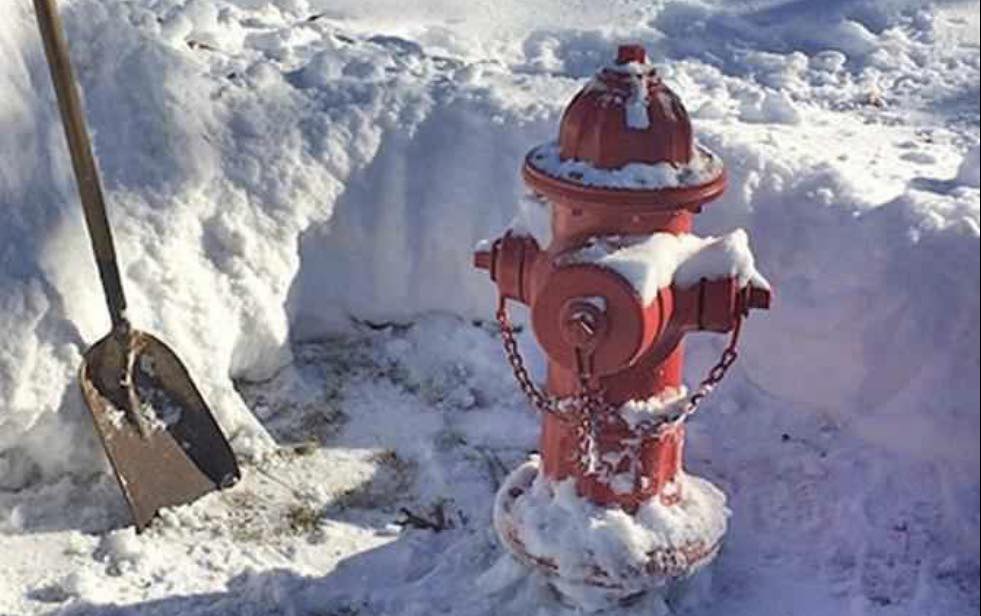
Lapel Fire Department Assures Community Safety Amid Hydrant Outage and Burn Ban

The Lapel Stony Creek Township Fire Territory wants to remind residents and business owners that all fire hydrants in the Town of Lapel are currently out of service due to the Town of Lapel Water Tower being offline. Despite this, Fire Chief Jason Renner assures the community that the Fire Territory is fully prepared and operating at full emergency response capacity.

“We’ve been working closely with the Town of Lapel, surrounding fire departments, Madison County Central Dispatch, and local property owners from the start to ensure we’re ready for any emergency that may arise,” Chief Renner stated. The Fire Territory has implemented comprehensive plans and resources to maintain uninterrupted fire protection throughout the town, including coordinating with neighboring departments and utilizing alternative water sources.

Chief Renner emphasized that the safety of Lapel’s residents, their property, and the community remains the top priority. “We’ve taken every possible measure to ensure our firefighters can respond effectively and without interruption,” he said. To minimize fire risk and ensure community safety during this period of limited hydrant availability, a Town-wide local burn ban remains in effect until the water tower is fully operational and the hydrant system is restored.

This ban prohibits all open burning, including burning brush, leaves, trash, or recreational fires. The Lapel Stony Creek Township Fire Territory will continue to closely monitor the situation and keep the public informed as updates become available. The department appreciates the community’s understanding, patience, and cooperation during this time.

1762183518


Source